Biodiesel
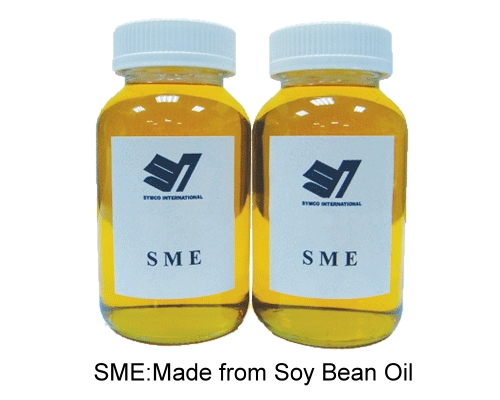
Biodiesel
Biodiesel is made from biological oil
or fats(triglycerides) by a chemical
process called transesterification;
a refined manufactured product
(methyl ester). It is produced to
industrial specification, and used in
modern engines without modification
in blends up to B-100.
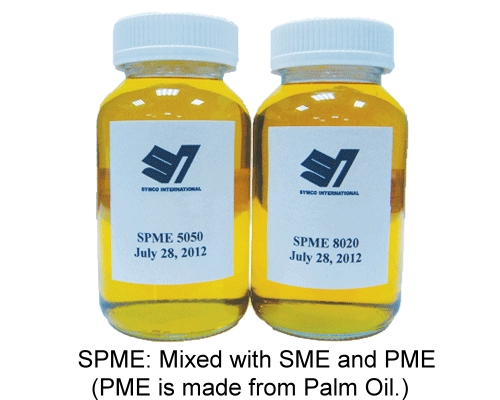 The Advantages of Biodiesel
● Reduced Emission
- Sulfur, carbon monoxide, hydrocarbons, and particulates
- Reductions increase with amount of biodiesel in blend
● Enhanced Lubricity
- No lubricity activities needed with B2 or higher
- Excellent for Ultra-Low Sulfur Diesel
● Positive Energy Balance
- Efficiently produced from local feedstocks
- ~3 BTU or energy produced for each BTU required
● Renewable energy source
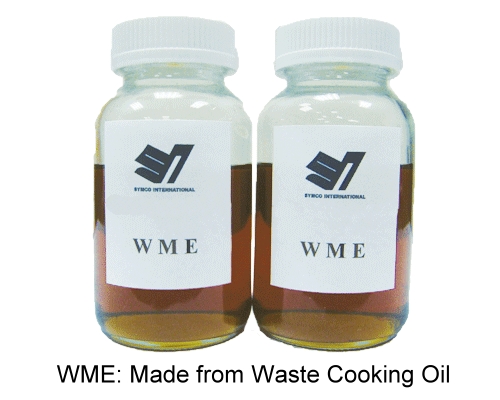 Safety and Biodiesel
● Biodegradable
- Degrades as fast as sugar
- Biodiesel blends accelerate biodegradability of petroleum diesel
● Non-toxic
- Table salt (NaCl) is nearly 10 times more toxic
- 24-hour human skin patch test results: Less irritation than 4% soap/water solution
● Non-hazardous
- Comparable to vegetable oil
- Increases fuel conductivity – particularly important for ULSD
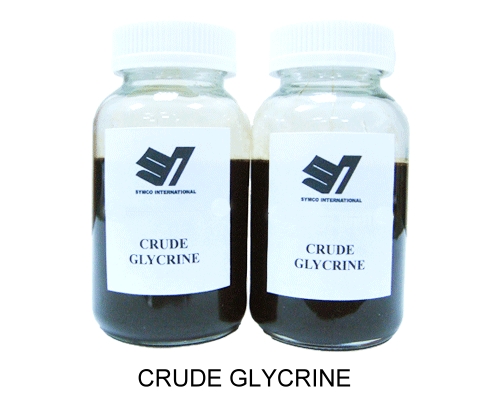
Feedstocks Nots
● Biodiesel methyl esters can be made from
many feedstocks
- Vegetable Oils (soybean, rapeseed (canola), palm)
- Animal Fats (pork CWG, beef tallow)
- Used Oil (yellow and brown grease)
● Production skill, not feedstocks, determines
fuel quality